Robotics and 3D Printing in Modern Manufacturing
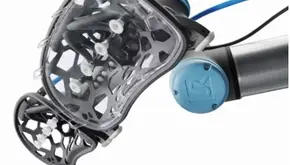
Robotics is an ever-growing part of our lives, integrating into everything from food delivery to space exploration. Robots originally designed for simple or repetitive tasks are becoming increasingly articulate and versatile, enabling them to be more than just tools for automation. The constant improvement in hardware, coupled with advances in software and
the integration of complex AI systems, has opened the door to processes that were previously impossible.


3D Printed Chain Lifts Car Off the Ground
HP put industrial 3D printing to the test by lifting a 1995 Avalon with a 3D printed chain link produced using HP’s Multi Jet Fusion technology. The chain was printed in under an hour and weighs just 0.25 pounds. Check out this video to see how it performed.


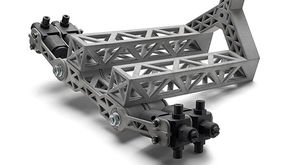
The Advantages Of Part Consolidation With Additive Manufacturing For Robotics And Modular Machinery
Robotics and automation systems are becoming increasingly complex—yet the market demand is trending in the opposite direction: lighter, more modular, more reliable machines with drastically shorter development cycles. To meet these pressures, engineering teams are turning toward digital manufacturing workflows, especially industrial 3D printing, to rethink how robotic components are designed and built.


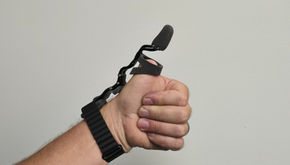
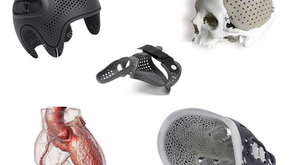
3D Printing in Medicine: Revolutionizing the Medical Sector
Explore how 3D printing is changing medical product development, custom components, orthotics, prosthetics, and healthcare innovation.


Tempus 3D is a proud member of HP's elite Digital Manufacturing Network
Learn what HP Digital Manufacturing Network partnership means for MJF production quality, repeatability, and industrial 3D printing.


Why work with Tempus 3D?
Learn why manufacturers choose Tempus 3D for industrial 3D printing, MJF production, design support, and fast Canadian service.